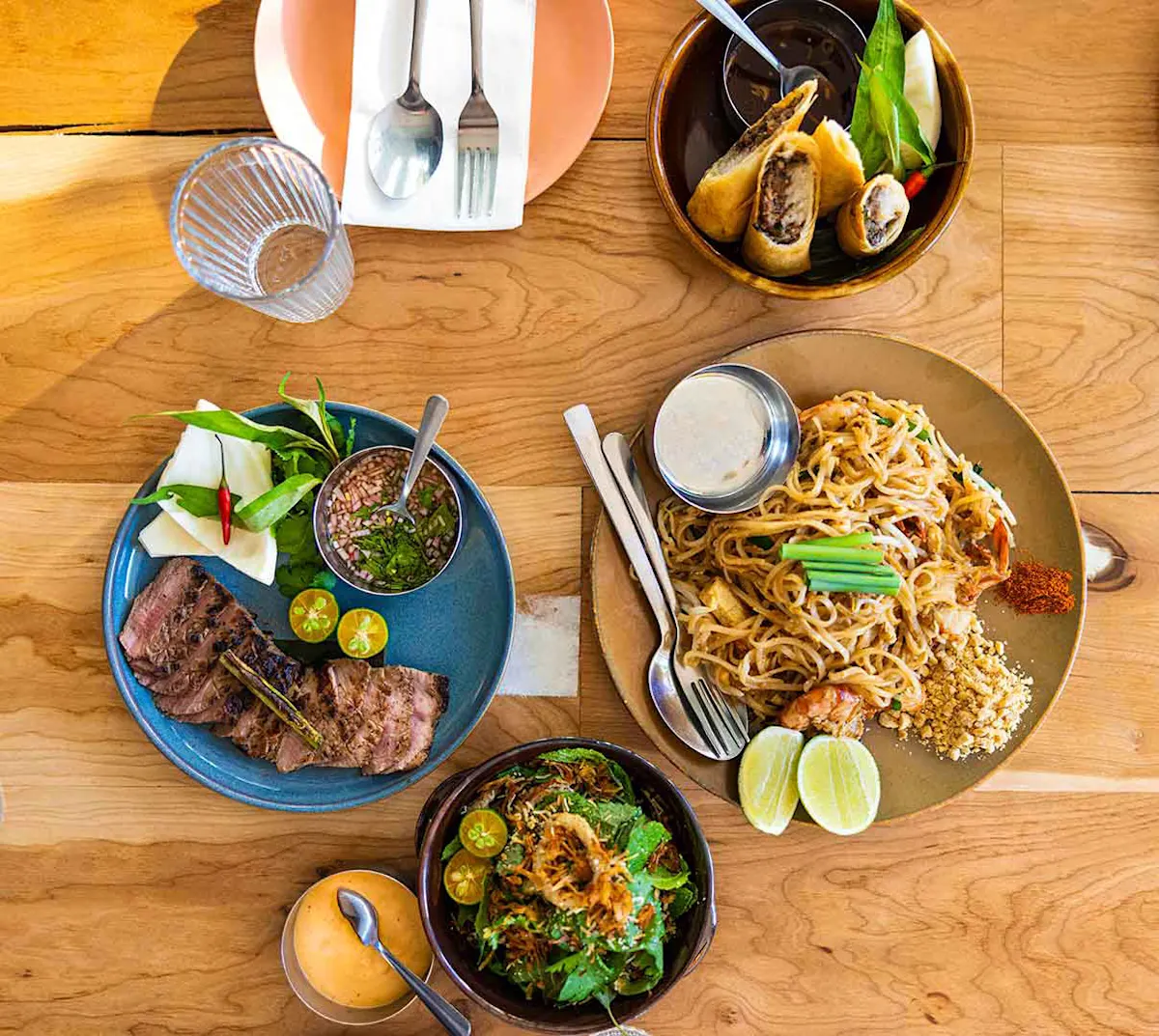
Dining out has become significantly more expensive in Canada over the past several years. What once felt like a casual night out can now easily cost far more than expected after drinks, tax, and tip are added.
Higher food costs, wages, rent, and operating expenses have pushed restaurant prices upward almost everywhere. Even simple add-ons like cocktails, appetizers, desserts, or extra sides can dramatically increase the final bill.
That does not mean people should stop dining out. Restaurants still offer convenience, atmosphere, social connection, and enjoyment. But because eating out now represents a larger financial decision for many households, understanding how restaurant menus work matters more than ever.
Menus are not simply lists of food. They are carefully designed tools built to influence what customers notice, order, and spend.
The good news is that once you understand some of the psychology behind restaurant menus, it becomes much easier to enjoy dining out while making smarter and more intentional choices.
Menus Are Designed to Direct Your Attention
Most people don’t carefully study a menu from beginning to end. They scan quickly.
Restaurants understand this, which is why menus are strategically designed to draw attention toward dishes they most want to sell. These are often:
- High-profit items
- Signature dishes
- Popular customer favourites
- Meals that are cheap and efficient for the kitchen to prepare
That’s why you often see:
- Boxes around certain dishes
- “Chef’s recommendations”
- Attractive descriptions
- Larger fonts
- Expensive dishes placed beside mid-priced dishes
This is not necessarily manipulation — it’s simply marketing psychology.
Being aware of it helps you slow down and choose more intentionally instead of automatically ordering the first appealing item you see.
Menu Descriptions Shape Perception
Restaurants know that language influences perception.
Compare:
- “Chocolate cake”
- “Warm house-made dark chocolate cake with whipped cream”
The second description immediately sounds more indulgent and premium.
Words like:
- House-made
- Rustic
- Seasonal
- Slow-roasted
- Signature
- Fresh
can increase perceived value before the food even arrives.
Sometimes the dish fully lives up to the description. Sometimes the wording itself is part of the selling strategy.
A useful habit is to focus on the actual ingredients, portion size, and overall value rather than only the emotional appeal of the description.
The Most Expensive Item Is Often There for a Reason
Many menus include one or two very expensive items on purpose.
For example:
- A $75 steak
- A $200 bottle of wine
can make:
- A $35 pasta
- A $65 wine bottle
feel much more “reasonable” by comparison.
This is called price anchoring. People naturally judge prices relative to surrounding options rather than independently.
One simple strategy is to decide your approximate spending limit before opening the menu.
Small Add-Ons Increase the Bill Quickly
Restaurants often make strong margins on:
- Cocktails
- Wine
- Soft drinks
- Appetizers
- Desserts
Individually, these purchases may seem small. Together, they can dramatically increase the total cost of the meal.
A dinner that starts as “just an entrée” can quickly turn into:
- Drinks before dinner
- Shared appetizers
- Main courses
- Dessert
- Coffee
There is nothing wrong with enjoying these extras. Dining out is also an experience. But many people enjoy restaurants more when they choose the additions they genuinely value instead of ordering them automatically.
How to Save While Still Enjoying Dining Out
Saving money at restaurants does not necessarily mean eliminating the experience altogether. In many cases, a few intentional habits can make a meaningful difference without making dining out feel restrictive.
Go Out Less Often — But Enjoy It More
One of the most effective strategies is simply reducing frequency slightly rather than eliminating restaurants completely.
For example:
- Dining out twice a month instead of every weekend
- Choosing one higher-quality experience instead of average ones
- Treating restaurants as intentional experiences rather than routine convenience
Many people actually enjoy dining out more when it feels occasional rather than automatic.
Checking the menu online before arriving can also help reduce impulsive spending. It gives you a chance to review pricing, identify reasonably priced options, and decide what you genuinely want before sitting down at the table. This can make it easier to stick to a rough budget and avoid ordering reactively in the moment.
Lunch Is Often Better Value Than Dinner
Many restaurants offer lunch specials, smaller portions, or combination meals at significantly lower prices than dinner service.
In some cases, you are getting nearly the same food and experience for much less money.
Drinks Quietly Inflate Restaurant Bills
Alcohol is one of the fastest ways to increase the cost of a meal.
A couple ordering cocktails before dinner, wine with dinner, and after-dinner drinks can easily spend more on beverages than food itself.
Being more selective with drinks can noticeably reduce the final bill without reducing enjoyment.
Share Strategically
Restaurant portions are often very large.
Sharing appetizers, desserts, sides, or even entrées in some restaurants can reduce both waste and spending while still allowing you to enjoy the experience.
Watch the “Small Extras”
Restaurants increasingly charge separately for:
- Extra sides
- Premium substitutions
- Additional sauces
- Add-ons like avocado, bacon, or extra protein
Individually, these may not seem significant, but several upgrades can quietly add a surprising amount to the bill.
The Cheapest Dish Is Not Always the Best Value
Trying to save money by automatically choosing the cheapest entrée does not always lead to the best experience.
Sometimes:
- A slightly more expensive meal is far more filling
- A lunch special offers better value than dinner
- Sharing dishes reduces waste and cost
- One excellent entrée is more satisfying than several mediocre extras
A better question is:
“Will this meal actually feel worth the price?”
That often leads to better decisions than focusing only on the lowest number on the menu.
Servers Can Be Helpful
Servers are trained to guide ordering decisions, including upselling. But experienced servers also know the menu extremely well.
Instead of asking: ” what’s good?”
Ask:
- “What do customers reorder most?”
- “Which dish is the restaurant known for?”
- “What would you personally order?”
These questions usually lead to more useful and practical recommendations.
Timing Can Affect Both Experience and Cost
The same restaurant can feel very different depending on:
- The day of the week
- Lunch versus dinner
- Peak versus quieter hours
Lunch menus are often cheaper, weekday dining may feel more relaxed, and happy-hour specials can offer excellent value.
Sometimes the best restaurant experience is not a busy Saturday night but a quieter weekday meal where service and atmosphere feel less rushed.
Final Thoughts
Dining out is part food, part psychology, and part experience.
Restaurants carefully design menus because they need to operate profitable businesses in a difficult industry. Understanding how menus work is not about becoming cynical — it is about becoming more intentional.
You can still:
- Enjoy dessert
- Order wine
- Try the chef’s special
- Celebrate special occasions
But when you understand menu psychology and pricing strategies, you are more likely to leave feeling satisfied with both the experience and the bill.
And in a time when dining out in Canada has become increasingly expensive, that awareness can make a meaningful difference.

