When people think about improving their finances, they often assume they need to make major lifestyle changes. Cut out restaurants. Stop buying coffee. Never treat yourself.
In reality, creating financial margin often starts with something much simpler: reviewing your recurring expenses.
Subscriptions, in particular, deserve a closer look.
The Subscription Trap
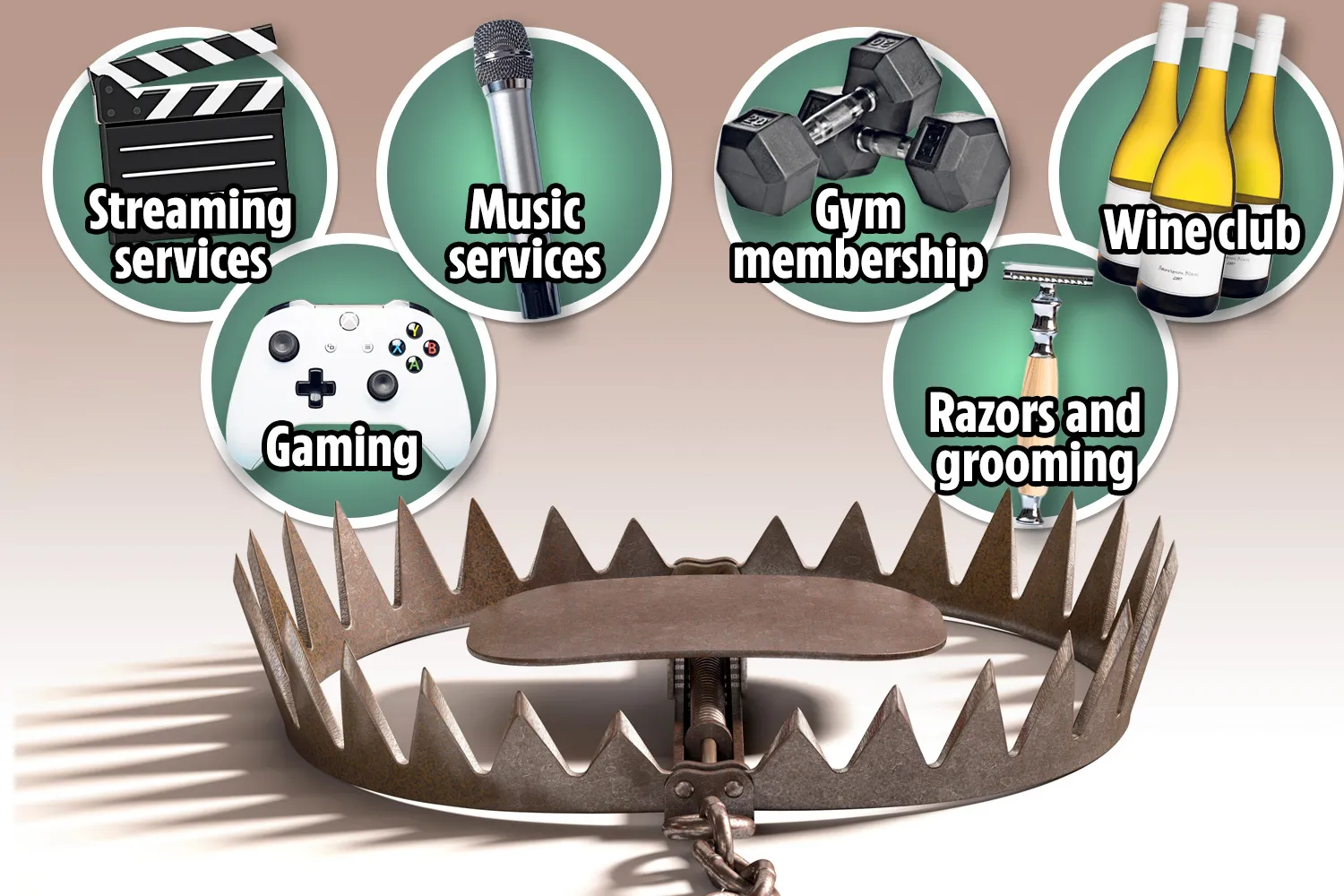
Subscription services have become part of everyday life. We pay monthly for streaming services, music, cloud storage, fitness apps, software, meal kits, gym memberships, clubs and more.
On their own, most seem affordable.
“It’s only $9.99.”
“It’s just $14.99.”
The challenge isn’t usually the price—it’s the design.
Subscriptions and memberships are meant to be “set and forgotten.” That’s part of what makes them convenient. Once they’re on autopilot, they require very little attention, and the monthly charges quietly blend into the background.
That’s also what makes them sneaky.
It’s not that the fees are hidden. It’s that they’re easy to stop noticing. Months or even years can pass before we realize we’re paying for something we rarely use.
A Simple Exercise
Set aside 15 minutes and review your bank or credit card statements from the past three to six months.
Write down every recurring subscription and memberships you find.
Then ask yourself one simple question:
“If I didn’t already have this subscription, would I sign up for it today?”
If the answer is yes, keep it.
If the answer is no—or even “I’m not sure”—it may be worth cancelling or pausing.
The goal isn’t to eliminate everything. It’s to make sure your spending reflects your current priorities rather than decisions you made months or years ago.
Small Amounts Add Up
Imagine you find three subscriptions you no longer use:
- A streaming service: $18 per month
- A fitness app: $12 per month
- Extra cloud storage: $5 per month
That’s $35 every month, or more than $400 a year.
Will that make you wealthy?
Probably not.
But it can make your monthly budget feel a little less tight.
Creating Financial Margin
When we talk about improving our finances, it’s easy to jump straight to saving or investing every extra dollar.
But for many people, the first benefit is much more immediate.
An extra $35 or $50 each month can make the grocery bill feel more manageable. It can help absorb rising utility costs, reduce the need to rely on a credit card before payday, or simply leave a little more in your account at the end of the month.
That’s what financial margin is.
It’s having enough breathing room in your budget that every unexpected expense doesn’t feel like a financial emergency.
And as that breathing room grows over time, you’ll have more flexibility to decide where your money should go—whether that’s paying down debt, building savings, investing, or simply feeling less stressed about your day-to-day finances.
Make It a Habit
Subscriptions aren’t a one-time decision.
Our needs change. We discover new services, stop using others, or end up paying for two subscriptions that do nearly the same thing.
That’s why it’s worth reviewing your subscriptions every six months.
It’s a simple habit that helps ensure your money is working for you—not quietly disappearing into expenses you’ve stopped thinking about.
The Bottom Line
Creating financial margin doesn’t always require earning more or making dramatic cuts.
Sometimes it starts with paying attention.
A quick subscription review won’t transform your finances overnight, but it can uncover money that’s been quietly slipping through the cracks. More importantly, it helps ensure your spending is intentional.
Small, thoughtful changes won’t make headlines—but they’re often the ones that make the biggest difference over time.


1 Comment